Countertop vs. Undercounter Ice Maker: Which Is Better?

A countertop ice maker is usually the better choice for everyday drinks, flexible placement, and a simple setup without permanent plumbing. An undercounter ice maker is usually better for frequent entertaining, more ready ice, and a built-in home bar.
Start with three questions: How often do you need extra ice? Which space can you give up? Are you prepared to arrange water and drainage connections? Your answers will narrow the choice more quickly than comparing production figures alone.
How Do the Two Options Compare?
The main trade-off is simple: a portable model needs less installation but often more manual refilling. A plumbed built-in model takes more preparation but can reduce daily water handling. If energy use is also part of your decision, see how much electricity an ice maker typically uses.
| Feature | Countertop | Undercounter |
|---|---|---|
| Placement | On a counter, cart, or table | Beneath a counter in a suitable opening |
| Setup | Usually plug in and fill a reservoir | Often needs water and drainage connections |
| Mobility | Easier to move after draining | Intended for a fixed location |
| Best fit | Everyday drinks, renters, occasional gatherings | Frequent entertaining and dedicated home bars |
The main trade-off is simple: a portable model needs less installation but often more manual refilling. A plumbed built-in model takes more preparation but can reduce daily water handling.
When Is a Countertop Ice Maker the Better Choice?
A counter top ice machine makes sense when you want extra ice without changing your kitchen.
Choose this option if you:
- Rent your home or want to avoid permanent plumbing.
- Mainly need ice for everyday drinks and smaller gatherings.
- Want a machine you can relocate when your needs change.
- Prefer a lower upfront cost and are comfortable refilling a reservoir.
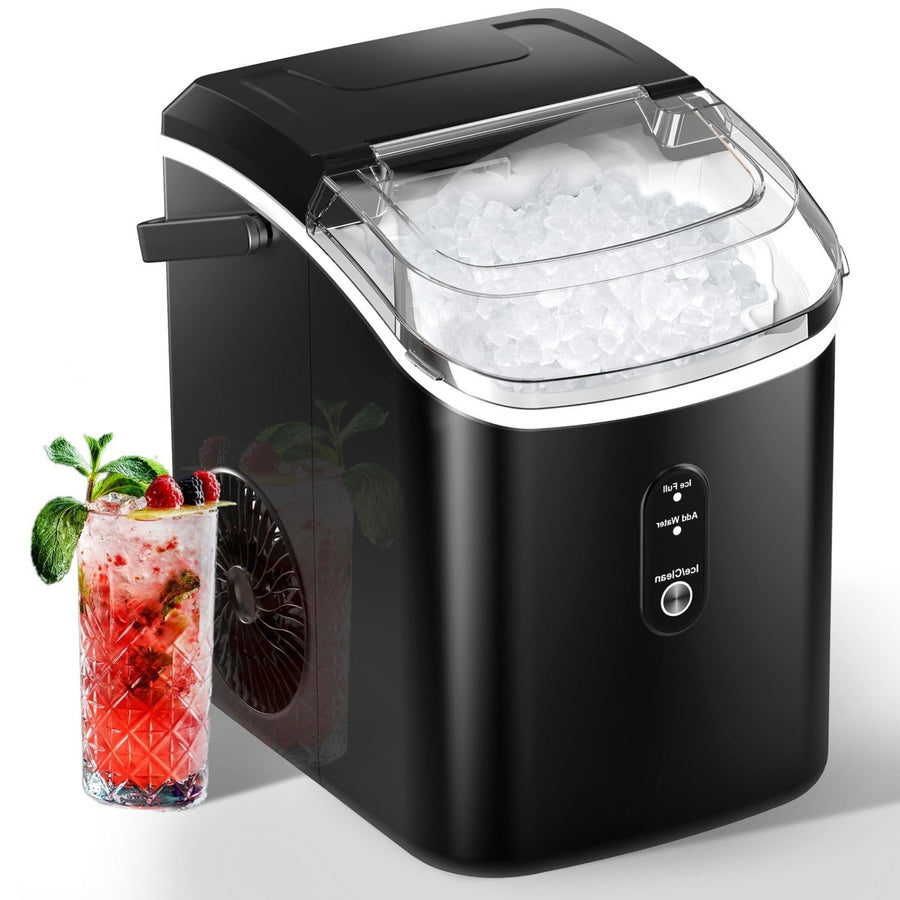
At Kismile, we offer compact models that fit into your routine without a kitchen renovation. For everyday drinks, the Kismile Z5812H offers a stated ice-making cycle of approximately 6–13 minutes and production of up to 26 pounds per 24 hours. These are published specifications, and actual output depends on operating conditions.
If you prefer a different ice texture or need a smaller footprint, you can explore Kismile’s portable range to compare ice types, dimensions, and cleaning features before choosing.

When Is an Undercounter Ice Maker the Better Choice?
A built-in model is worth considering when you regularly run out of ice or want a permanent serving station.
Choose this option if you:
- Often host family or friends and want more ice ready.
- Want to keep your kitchen worktop free.
- Prefer automatic filling to repeatedly topping up a reservoir.
- Have a suitable fixed location and can meet the model’s installation requirements.
At Kismile, we offer undercounter options for a dedicated home ice station. If you are planning a home bar, explore our range and confirm the selected model’s ice type, dimensions, and installation requirements before ordering.
Can a Portable Model Handle Your Occasional Party?
Yes—if you can prepare ice ahead of time and the machine’s output suits your gathering. Hosting occasionally does not automatically mean you need a built-in unit.
- Make ice before guests arrive and transfer it to your freezer in a suitable container.
- Use the machine to top up your supply during the gathering, rather than starting with an empty basket.
- Keep backup bagged ice when demand may exceed your stored supply; our guide to combining a home ice machine with bagged ice for outdoor parties explores how to plan both around your gathering.
If you regularly run out despite preparing ahead, a larger-capacity setup may be worth considering. For occasional hosting, however, preparation can be more practical than buying a machine around your busiest day of the year.
Which Ice Type Is Best for Your Drinks?
Choose the ice you enjoy in your drinks, then check which models make it. Countertop and built-in describe the machine’s placement—not a guaranteed ice shape or texture.
| Ice type | When to consider it |
|---|---|
| Bullet ice | You want rounded, hollow-centered pieces for everyday iced coffee, soda, or other cold drinks. |
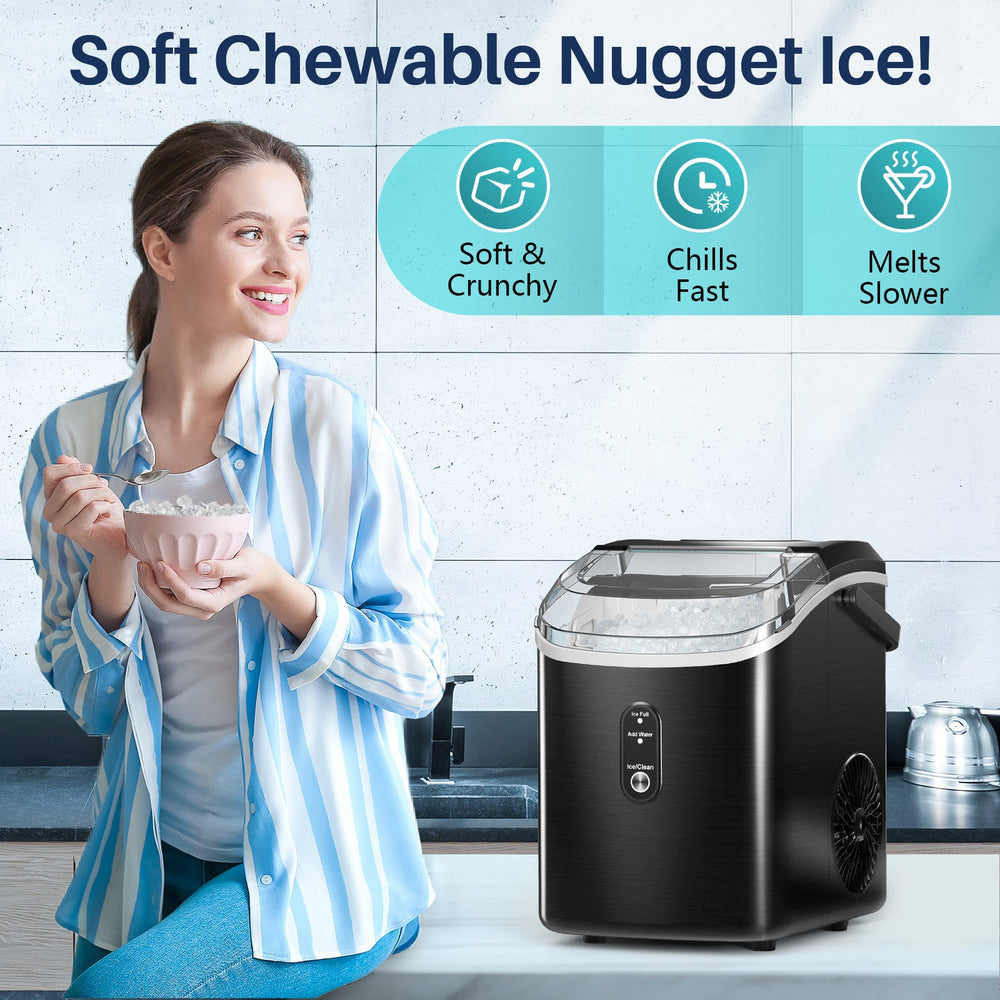
| Nugget ice | You prefer small, chewable pieces and enjoy the texture of ice in your drink. |
| Cube ice | You prefer more solid, defined pieces for cold drinks or a home cocktail setup. |
Do not assume every machine offers a choice of ice shapes. Check the selected model’s description and ice photos; adjustable ice size does not necessarily mean adjustable ice type. Melting also depends on the ice’s size and the drink’s temperature, so shape alone should not decide your purchase.
The best ice maker for home use is one that fits both your routine and your preferred ice. Once you know what you like, use that preference to narrow the Kismile options above before comparing individual specifications.
Frequently Asked Questions
Do countertop ice makers keep ice frozen?
Many portable models make ice but do not keep the basket at freezer temperature. Ice can gradually melt and may need transferring to a freezer for longer storage. Check the selected model’s storage instructions rather than assuming it will hold ice overnight.
What does undercounter ice maker installation require?
Check the cabinet opening, ventilation clearances, grounded power supply, and model-specific water and drainage requirements. For enclosed cabinetry, choose a model explicitly approved for built-in installation and follow its ventilation clearances. Before changing your kitchen, you can ask Kismile to help check your planned setup with the model name and your available dimensions.
Do built-in models always need a drain?
No. Requirements vary by design. Some use gravity drainage, others use a pump, and some require no external drain line. A pump still needs a suitable discharge connection. Confirm the arrangement in the exact product manual.
How do I choose the right ice-making capacity?
Compare first-batch time, daily production, and storage capacity separately. Daily production is the amount made over 24 hours under stated conditions; storage capacity is how much ice fits in the bin at once. For a gathering, consider how much ice you need ready when guests arrive, not just the daily production rating.